
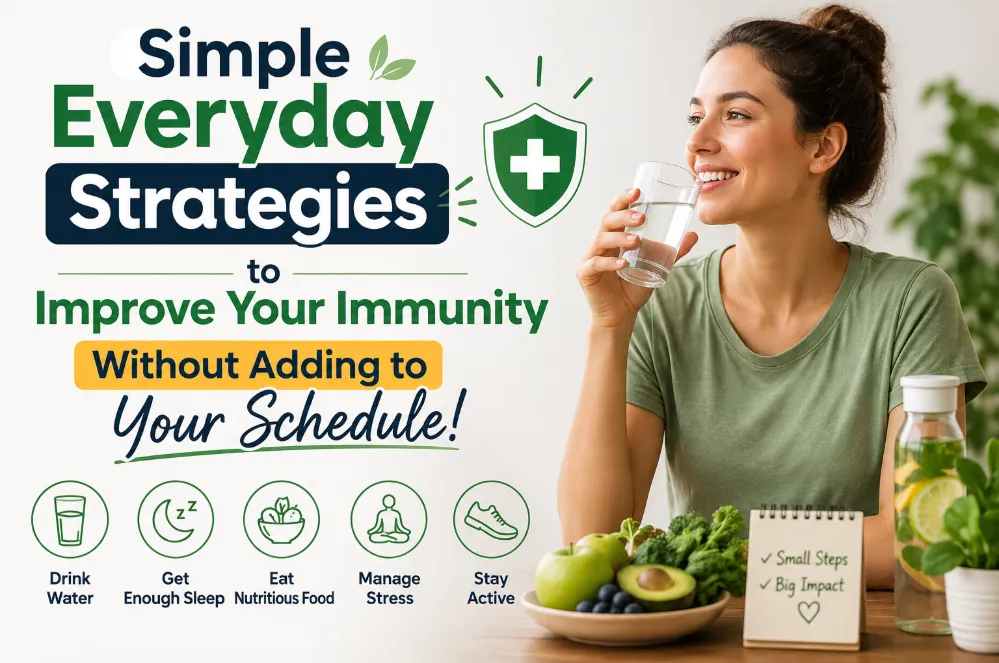
Health is not a single decision – typically it is about a lot of small choices made over and over, day after day. The immune system is designed to keep the body safe from harmful bacteria, viruses and other disease-causing organisms, in the background.
A lot of people seek quick fixes, like miracle foods or supplements. Actually, a good immune system can be built by following a healthy lifestyle, having a healthy diet, exercising regularly and getting a good night’s rest. Being healthy now will help you stay healthy for a long time, whether you are a student, a working professional or you want to seek employment abroad.
Have a healthy breakfast! Start the day on a healthy note!
The first couple of hours of your day can set the tone for the rest of your day. Don’t jump straight into using processed snacks, or sugary drinks, when you get to work, take small steps towards a healthier lifestyle.
Having a glass of water in the morning will rehydrate you after the night. A healthy breakfast with food from the various food groups will give them energy and help them get the nutrients for normal body function.
The little things you do in the morning can be important to you when added together, they can encourage a healthier lifestyle.
Select foods that will help you stay healthy.
Fruits with a high content of natural antioxidants for the seasons. Seasonal fruits with high natural antioxidants.
· At least twice a week green garden
· Instead of refined carbohydrates, have whole grains.
· Beverly, beans, lentils, eggs, lean poultry as protein
· A small quantity of nuts and seeds is OK.
· Cooking oils that are healthy, like olive and mustard oil
· Instead of dieting, the key is to eat well balanced meals every day.
· Don’t Ignore Hydration
Water helps circulation, digestion, and regulates body temperature. Also it aids in the distribution of alimentary materials within the body.
Always have water on hand when working or travelling and take it regularly even if not thirsty. Other beverages, such as fresh coconut water, homemade soups, and fruits that are rich in water, can help keep you hydrated.
Cutting down on sugary soft drinks can improve your immune system as well as general fitness.
Sleep is a part of your health plan.
People give up sleep in order to get work done or spend more time on electronic devices. But sleeping is the time the body repairs tissues, restores energy and normal immune activity.
Having a nighttime routine can help get a better night’s sleep. Simple steps such as making the bedroom quiet, avoiding caffeine in the evening and keeping the bedroom “screen free” can make a difference in how refreshed you feel upon waking.
Reduce Stress and Reduce Stress
While daily stressors can cause mental stress, prolonged stress has a broader impact. It can affect the quality of sleep, food intake and health.
There’s no need for any complicated relaxation techniques. Make time for yourself, even at a simple level, like taking a quick evening stroll, spending time with loved ones, reading a book or practicing a few minutes of deep breathing, to help your mind recharge from a busy day.
Stress management is essential for emotional health, as well as physical health.
Fitness: The natural way to support immunity.
People often think of exercise and calorie reduction together, and it’s true that it can help you lose weight, but the benefits of exercise go beyond that. Frequent exercise helps the heart stay healthy, increases circulation, builds muscles strength, and helps the body fight infections.
You don’t have to become an athlete to experience these benefits.
Be active on every day!
If you sit for long periods of time at work, include movement in your workday.
Simple ideas include:
· Walking after meals
· Enabling the use of stairs rather than elevators
· Taking short trips by bicycle
· Taking a stretch during breaks of work
· Having a brisk walk in the evening time
· Intensity is not as important as consistency.
Improve strength and then endurance.
Strength training aids in maintaining muscle tissue and enhances physical abilities.
For beginners, it’s best to begin with:
· Squats
· Wall Pushups
· Lunges
· Resistance band exercises
· Light dumbbell workouts
The general guideline is 2 or 3 sessions a week as this creates a sustainable routine.
The recovery trip to the site was as important as the trip to the disaster.
Physical activity generates positive stress, and during recovery the muscles recover and re-strengthen.
Proper nutrition, adequate rest, adequate rest days and water can keep some energy in the body and limit fatigue.
Healthy Habits Before a Medical Exam
Hundreds of people have regular medical checks as part of the application process for jobs, university or travelling abroad. These fitness assessments are designed to assess overall fitness and to determine if health issues are present that may need to be addressed.
When it comes to preparing for a medical check-up, don’t put the onus on quick fixes. Rather, concentrate on keeping up good habits in the weeks prior to your appointment.
Practical steps include:
· Consuming nutritious, well-rounded meals that are prepared at home
· Consuming an adequate amount of water each day
· Remaining physically active
· Getting adequate sleep
· Steer clear of tobacco and too much alcohol
Maintaining a healthy weight by eating the right foods and exercising regularly
These habits are important for general wellness and they will make you feel your best prior to your routine health checkup.
Getting ready for a Medical Examination for the GCC Countries
Those applying for a job in a GCC country must undergo a medical examination at a medical centre approved by the WAFID (previously GAMCA) prior to visa application. These are to assess specific health conditions under GCC medical laws.
These habits are not meant to artificially “pass” the exam, but are for your health over the long term; this is important for whatever your plans might be.
It’s the little things that make a big difference.
It’s a common misconception that people feel they should see big results with drastic measures. In practice, it takes a series of everyday behaviors that are carried out regularly to build a healthy future.
Conclusion
It’s not as though a stronger immunity can be developed in a flash or by taking one particular pill. It is created by the daily actions that promote the efficient functioning of your body. Eating healthy, exercising regularly, sleeping well, drinking enough water and handling stress well are all elements to good health.
These healthy habits can help promote better physical health and help residents adopt a healthier lifestyle beyond the exam itself, especially if they are about to undergo a routine health screening or WAFID/GAMCA medical exam. Taking care of your health now is among the best investments that you can make for the future.
